
 English


Views: 0 Author: Site Editor Publish Time: 2025-12-09 Origin: Site


Ever wondered how heavy machinery, solar trackers, or wind turbines achieve such precise movement? Slewing drives are the key to managing heavy loads with high torque, enabling smooth, controlled rotation.
In this article, we'll explore how slewing drives work, their importance in industries like construction, renewable energy, and more. You’ll learn how these robust systems help machines rotate accurately, handle large forces, and improve overall efficiency.
The worm gear mechanism is the heart of a slewing drive. It consists of a worm (a helical gear) that meshes with a worm wheel. When the worm rotates, it drives the worm wheel, converting the axial movement into rotational motion. This interaction is essential for controlling the rotation of the connected equipment. The torque generated by the worm gear mechanism depends on the gear ratio, which is the number of threads on the worm and the teeth of the worm wheel. A higher gear ratio results in slower rotational speeds but increases torque, making the slewing drive highly efficient for handling heavy loads.
Slewing bearings are crucial components in a slewing drive, as they support the axial, radial, and moment loads experienced during operation. These bearings allow for smooth rotation while distributing the forces evenly across the system. There are several types of slewing bearings, each suited for different applications. Four-point contact ball bearings are commonly used in smaller systems, offering bidirectional axial and radial force support. For more demanding applications, cross roller bearings provide higher rigidity and load capacity, making them ideal for large cranes or machinery that handle extreme forces. The choice of bearing type depends on the specific load requirements and precision needed in the application.
The motor drives the slewing drive by providing the power necessary for rotation. Slewing drives can use various types of motors, such as electric motors for precision applications or hydraulic motors for heavy-duty systems. Electric motors are commonly found in systems that require high accuracy, while hydraulic motors are used in machines that need continuous power under heavy loads, such as cranes and excavators. In addition to motors, brakes are critical for maintaining stability and controlling the rotation of the equipment. These systems ensure that the slewing drive holds its position without drifting, providing precise control and safety in applications where accuracy is paramount, such as in wind turbines or satellite dishes. The combination of motors and brakes allows for smooth operation, even under heavy loads or demanding conditions.
Component | Function | Application |
Worm Gear Mechanism | Converts axial motion into rotational torque. | Cranes, wind turbines, solar trackers |
Slewing Bearings | Support axial, radial, and moment loads for smooth rotation. | Excavators, cranes, material handling equipment |
Motors and Brakes | Provide rotational power and precise control. | Hydraulic machinery, satellite tracking systems |
A slewing drive operates by transmitting power from a motor to the worm gear, which serves as the key mechanism for controlling rotation. The motor, whether electric, hydraulic, or manual, generates the necessary force. This power is then transmitted to the worm gear, a helical gear that interacts with the worm wheel. As the motor rotates the worm, its axial motion engages the teeth of the worm wheel, causing it to rotate. This setup allows the slewing drive to convert power into high-torque, controlled rotation, with the gear ratio determining the speed and torque output. Higher gear ratios result in slower speeds but greater torque, making it ideal for heavy-duty applications.
Slewing drives are designed to manage both axial and radial loads during rotation. When the drive is in operation, the slewing bearing—positioned between two parts of the machine—distributes these loads evenly, ensuring smooth movement. Axial loads are the forces that act perpendicular to the axis of rotation, while radial loads act parallel to it. The unique design of the slewing drive allows it to handle these forces without compromising stability. This is particularly important in heavy machinery, where precise rotation is necessary even under significant load. The combination of the worm gear and the slewing bearing ensures that the system remains stable and that the loads are balanced, preventing any undue stress on the components.
One of the key features of slewing drives is their self-locking function, provided by the worm gear. This function allows the drive to hold its position without needing additional braking mechanisms. The worm gear has a built-in self-locking mechanism because of its steep lead angle. This means that when the worm gear is in position, it resists any external forces trying to move it, providing stability even when the power is off. This self-locking feature is especially useful in applications where precise positioning is critical, such as solar trackers, cranes, and satellite dishes. It eliminates the need for external brakes or clutches, improving reliability and reducing the complexity of the drive system.
Component | Function | Application |
Power Input to Worm Gear | Motor transmits power to the worm gear for rotation. | Cranes, excavators, solar panels |
Rotation and Load Handling | Manages axial and radial loads during rotation. | Heavy machinery, construction equipment |
Self-locking Feature | Holds position without additional braking. | Wind turbines, satellite tracking systems, cranes |
Single-axis slewing drives are designed to provide rotation around a single axis, making them ideal for applications that require precise movement in one direction. These drives are commonly found in cranes, excavators, and wind turbines, where the ability to rotate the machinery or platform along a single axis is critical. The design of single-axis systems typically includes a worm gear mechanism and a slewing bearing, which allows for efficient load handling and rotational control. These drives are effective in situations where rotation is needed in only one plane, offering simplicity and reliability, especially in heavy-duty applications where high torque is required.
Dual-axis slewing drives offer the ability to rotate in two directions, providing enhanced flexibility and load capacity. These systems are used in more complex operations, such as solar tracking, where the need for both horizontal and vertical movement is essential for precise positioning of solar panels. Dual-axis slewing drives can handle larger, more diverse loads compared to their single-axis counterparts. Their design often includes two separate slewing mechanisms, enabling independent movement along two axes. This makes them perfect for applications that require high precision in dynamic environments, where both movement and load distribution must be carefully controlled.
Hourglass slewing drives are characterized by their unique gear configuration, which involves multiple gear teeth engaging simultaneously. This increases the efficiency of torque transmission, providing a higher output of force with less energy loss. The hourglass design is particularly beneficial in applications requiring high torque, such as large cranes and heavy machinery, where multiple gear teeth ensure a more balanced load distribution and smoother operation. This type of slewing drive is ideal for systems where high torque and efficiency are essential, and it is often used in industries that demand robust performance under heavy-duty conditions.
Type of Slewing Drive | Key Features | Applications |
Single-Axis Slewing Drives | Rotation around a single axis, high torque capability. | Cranes, excavators, wind turbines. |
Dual-Axis Slewing Drives | Ability to rotate in two directions, enhanced load handling. | Solar tracking, advanced machinery. |
Hourglass Slewing Drives | Multiple gear teeth for increased torque efficiency. | Large cranes, heavy-duty equipment, and machinery. |
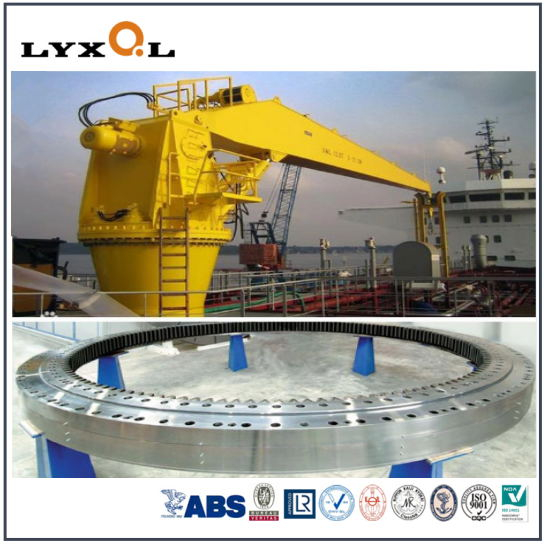
Slewing drives provide significant torque through their worm gear mechanism. This gear setup allows for torque multiplication, meaning even a compact unit can generate the force needed to rotate heavy loads. The design of the worm gear ensures that when power is applied, it is transformed into high torque output, which is essential in applications requiring precise and powerful rotation. Additionally, slewing drives are ideal for space-constrained environments. Their compact design integrates the bearing, gear, and drive system into a single unit, making them perfect for applications where space is limited, such as in small cranes, solar trackers, and other machinery where every inch of space counts.
One of the key advantages of slewing drives is their ability to handle heavy axial, radial, and moment loads simultaneously. This makes them invaluable in heavy-duty machinery that experiences various forces during operation. For example, cranes and excavators rely on slewing drives to handle large loads while maintaining stability and precision. The design of these drives ensures smooth, reliable operation even under stress. By distributing the load evenly across the components, slewing drives minimize the risk of wear or failure, providing continuous, stable performance. This ability to handle multiple forces while maintaining operational stability is essential for ensuring safety and longevity in demanding environments.
Slewing drives are highly versatile, making them suitable for a wide range of industries. They are commonly used in construction, renewable energy, military equipment, and various industrial applications. Their ability to support heavy loads while maintaining precision makes them indispensable in fields that require both strength and accuracy. Slewing drives can be customized to meet specific application needs, whether it's for solar tracking systems, satellite dishes, or military-grade machinery. This adaptability allows slewing drives to be tailored for different requirements, ensuring they deliver the best performance in every scenario.
Advantage | Description | Applications |
High Torque and Compact Design | Provides significant torque in a compact unit, saving space. | Small cranes, solar trackers, robotic arms. |
Load Capacity and Stability | Handles high axial, radial, and moment loads, ensuring stability. | Cranes, excavators, heavy machinery. |
Versatility in Applications | Can be customized for various industries and uses. | Construction, renewable energy, military, industrial systems. |
Proper lubrication is essential to the long-term performance of a slewing drive. Lubrication intervals should be followed carefully, with best practices recommending that the slewing drive be lubricated every 200 to 500 hours, depending on operational conditions and environment. If the drive is used in harsher conditions, such as in high humidity or dust, lubrication cycles may need to be shortened. Proper lubrication reduces friction between the gear teeth and bearings, minimizing wear and tear. This helps to prevent overheating and ensures that the system runs smoothly. By maintaining proper lubrication, the life of the slewing drive is extended, improving its efficiency and performance over time.
Regular inspection and monitoring are crucial to ensuring that the slewing drive operates reliably. Operators should perform checks on bolts, bearings, and seals at regular intervals, typically before each operation and after every 100, 300, and 500 hours of use. Monitoring for signs of wear or damage is essential to avoid costly repairs and prevent system failure. Early signs of issues can include unusual noises, vibrations, or difficulty in rotation. Worn-out bearings or loose bolts can also lead to malfunctions, affecting the performance of the entire drive. Identifying and addressing problems early helps ensure that the slewing drive continues to perform optimally and prevents unexpected downtime.
Slewing drives often operate in harsh environments, which makes protection against contaminants critical. Seals play an essential role in preventing dirt, moisture, and debris from entering the system. High-quality seals ensure the internal components remain clean and lubricated, preventing damage and reducing the need for frequent maintenance. In extreme conditions, such as high temperatures or exposure to corrosive elements, slewing drives may require additional protective features. Specialized materials and coatings can be used to resist corrosion, while weatherproofing features can protect the drive from environmental damage. These adaptations ensure the slewing drive maintains reliable performance, even in the most demanding environments.
Slewing drives are versatile components used across a wide range of industries, providing precise rotational movement and handling heavy loads. Their ability to manage high torque and perform in challenging environments makes them indispensable in various applications.
One of the most common uses of slewing drives is in cranes and excavators. These machines require precise rotation and heavy load handling capabilities, which slewing drives provide. Cranes, especially those used in construction or offshore environments, rely on slewing drives to rotate their booms and platforms, offering precise positioning for lifting and moving materials. Similarly, excavators use slewing drives to rotate the digging arm, enabling the machine to perform complex tasks with accuracy and stability.
Slewing drives play a crucial role in wind turbines by adjusting the orientation of the blades to capture the maximum amount of wind. They enable precise positioning, ensuring that the blades rotate optimally to generate the most power. Given the high torque and reliable performance needed in such applications, slewing drives are ideal for wind turbines, where stable operation and the ability to withstand extreme weather conditions are essential.
In solar energy applications, slewing drives are used in solar trackers to move panels throughout the day, aligning them with the sun for maximum efficiency. Solar trackers utilize slewing drives to achieve the precise positioning required to follow the sun's path. This ensures the solar panels receive optimal sunlight exposure, thereby enhancing energy production. The high precision and ability to handle varying loads make slewing drives perfect for this type of renewable energy application.
Slewing drives are also widely used in military and aerospace applications, where high precision, stability, and durability are critical. In radar systems, satellite dishes, and weapon platforms, slewing drives enable precise positioning, ensuring that equipment functions reliably even in challenging environments. The self-locking feature of some slewing drives adds an extra layer of stability, preventing unwanted movement and improving safety.
Application | Function | Industry |
Cranes and Excavators | Rotates booms and platforms, enabling precise material handling. | Construction, mining, offshore |
Wind Turbines | Adjusts blade orientation for optimal wind capture. | Renewable energy, offshore |
Solar Trackers | Positions panels to track the sun for maximum energy efficiency. | Renewable energy, solar power generation |
Military and Aerospace | Provides precise movement for radar, satellites, and weapon systems. | Defense, aerospace |
Slewing drives use key components, such as worm gears and slewing bearings, to provide precise rotational movement. They are essential in industries like construction, renewable energy, and defense, offering high torque and stability. As technology advances, slewing drives will continue to evolve, with improvements in design and efficiency. LYXQL offers high-performance slewing drives that cater to various applications, providing reliable solutions for heavy-duty machinery and equipment.
A: A slewing drive is a gearbox that uses a worm gear to provide precise rotational movement while handling heavy radial and axial loads.
A: A slewing drive works by transmitting power from a motor to a worm gear, which then rotates a connected load, providing high torque and precision.
A: Slewing drives are ideal for cranes because they offer precise control, high torque, and stability, allowing smooth rotation for heavy lifting.
A: Slewing drives are used in construction, renewable energy, defense, and industrial machinery, providing reliable performance in heavy-duty applications.
A: Slewing drives should be lubricated every 200-500 hours, depending on operating conditions, to reduce friction and prevent wear.
